Arabic
Modern Standard Arabic, Classical Arabic, regional dialects, code-switching, historical varieties and domain-specific Arabic.
Advancing language technologies for Arabic, Perso-Arabic and Ajami writing traditions across Africa, the Middle East and Asia.
AbjadNLP brings together researchers working on Arabic and the wider family of languages written in Arabic-derived scripts, spanning Abjad and Ajami traditions.
Following the first workshop in Abu Dhabi and the second edition at EACL 2026 in Rabat, AbjadNLP returns for its third edition in Macau. The workshop creates a common research space for languages that share script traditions but differ substantially in morphology, orthography, sociolinguistic context, resource availability and digital representation.
The workshop places particular emphasis on low-resource and under-represented languages, open resources, reproducible research, shared evaluation, and collaboration between established NLP communities and researchers working on languages that remain poorly served by current language technologies.
The workshop welcomes research across the linguistic and cultural breadth of Arabic-derived scripts.
Modern Standard Arabic, Classical Arabic, regional dialects, code-switching, historical varieties and domain-specific Arabic.
Persian, Urdu, Pashto, Sorani Kurdish, Azeri, Ottoman Turkish, Sindhi, Uyghur and other languages using Arabic-derived scripts.
Hausa, Fula, Wolofal, Swahili, Kanuri, Mandingo, Tamazight and other African languages represented through Ajami writing traditions.
Launched at COLING 2025, establishing a dedicated venue for NLP research across Arabic-script languages.
View 2025 proceedingsHeld with EACL 2026 in Rabat, expanding to 71 published papers and a substantial shared-task programme.
View 2026 proceedingsWe invite original work on methods, resources, evaluation and applications for languages written in Arabic-derived scripts.
Morphology, tokenisation, tagging, parsing, NER, sentiment and language modelling.
Multilingual LLMs, adaptation, prompting, evaluation, safety and low-resource generation.
MT, speech, OCR, handwriting recognition, QA, dialogue and social media analysis.
Corpora, lexicons, datasets, benchmarks, orthography documentation and open tools.
Bias, ethics, safety, cultural awareness, robustness and responsible evaluation.
Dialect mixing, transliteration, script variation and multilingual interaction.
Digital humanities, literary NLP, language preservation and historical text processing.
Education, healthcare, finance, legal, government and other real-world domains.
Participatory data creation, grassroots collaborations and sustainable capacity building.
Text with image, document, audio and speech signals for Arabic-script communities.
The shared-task programme encourages comparable evaluation, reusable datasets and deeper collaboration across Arabic and other Abjad languages.

The talk details will be announced here once confirmed.
AbjadNLP 2027 will follow COLING 2027 standards for formatting, peer review and ethical guidelines.
Submissions must be anonymised for double-blind review and use the official ACL style files. Authors may submit directly to the workshop or commit eligible pre-reviewed work through ACL Rolling Review within the workshop deadlines.
COLING 2027 paper guidelines ACL style files
Read the policy relevant to your participation. Organisers should also review the responsibilities assigned to each role.
Submission routes, paper formatting, research ethics, peer review and publication requirements.
Read the author policy For the programme committee and organisersCommittee responsibilities, reviewing standards, professional conduct and workshop procedures.
Read the workshop policy Understand your roleWhat each chair and organising team is responsible for, and what they are expected to deliver.
Explore organiser rolesAbjadNLP is organised by an international team spanning multilingual NLP, low-resource language technology, corpus linguistics, language resources and applied AI.
Organiser roles and responsibilitiesCommittee and organiser policy
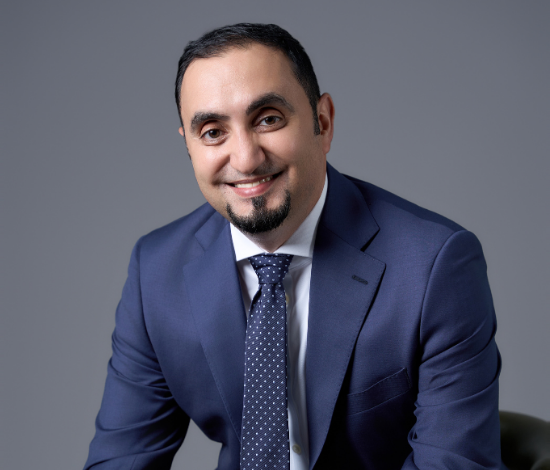
VinUniversity, Vietnam
Lancaster University, UK

Director, UCREL Research Centre
Lancaster University, UK

Lancaster University, UK

KFUPM, Saudi Arabia

University of Granada, Spain
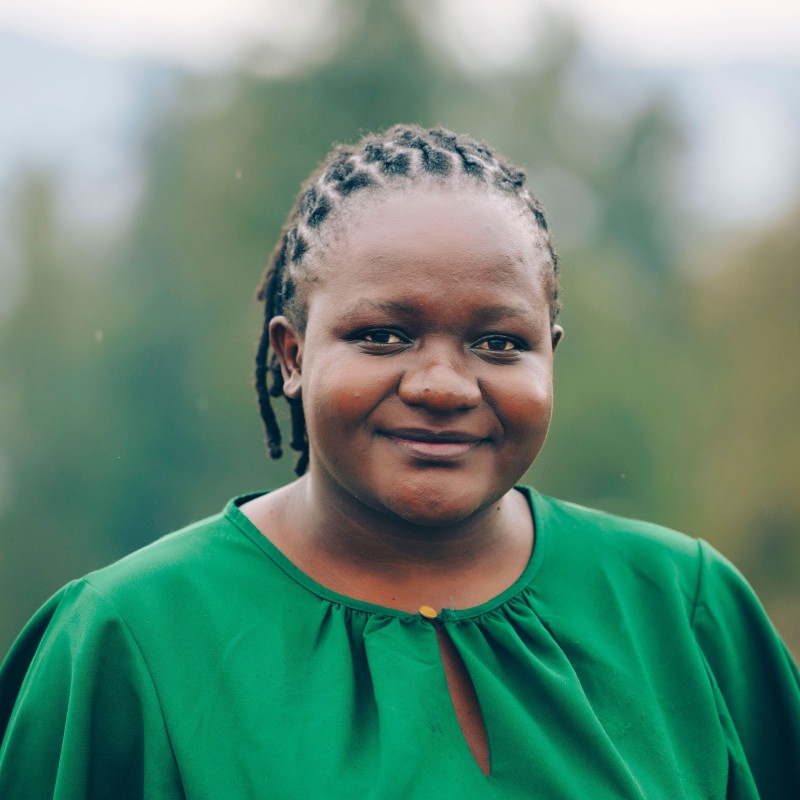
Maseno University, Kenya

KFUPM
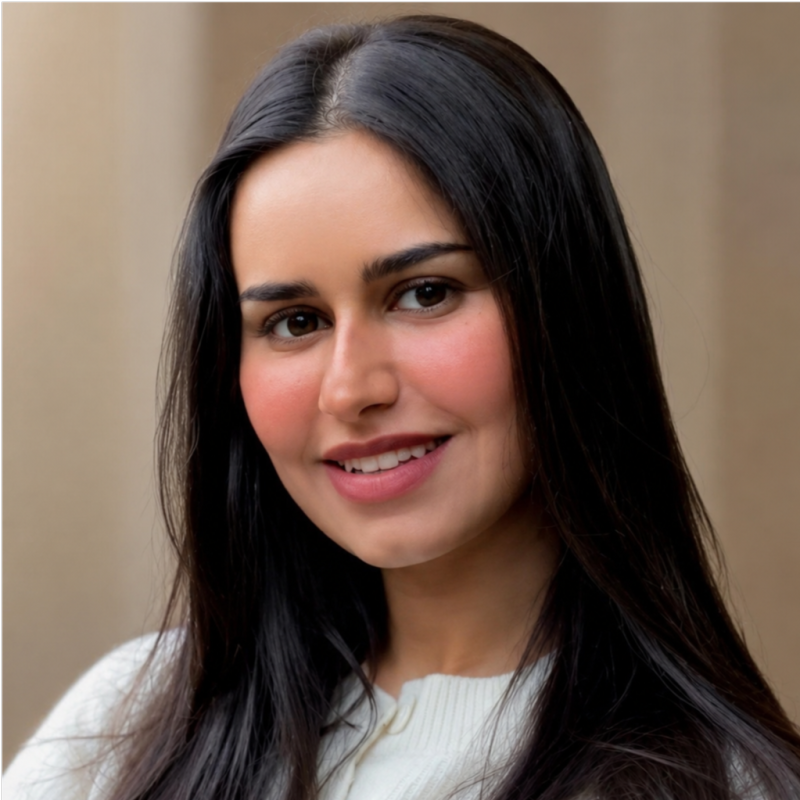
Lancaster University, UK

Humain, Saudi Arabia
Onaizah Colleges, Saudi Arabia
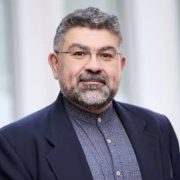
New York University Abu Dhabi, UAE

Lancaster University, UK
AbjadNLP is committed to supporting under-represented languages, researchers and communities in NLP. The workshop’s scope naturally spans substantial linguistic, cultural and regional diversity across Africa, the Middle East and Asia, and we welcome work that broadens participation, strengthens open and inclusive NLP ecosystems, and creates sustainable research capacity for low-resource and minority languages.